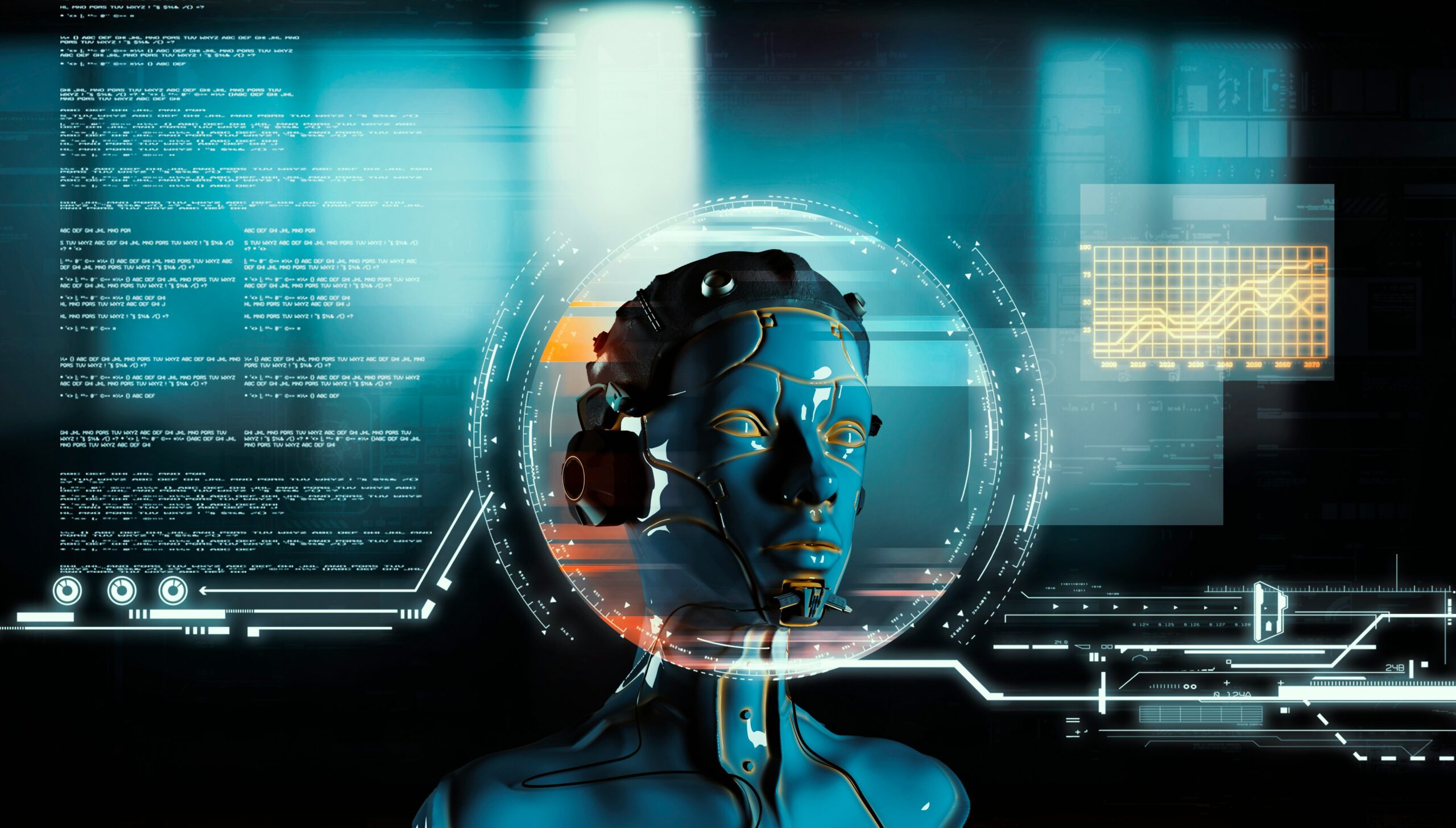
Artificial intelligence is no longer a futuristic idea in digital marketing. Today, it actively changes how brands understand customers, create content, run campaigns, and measure success. As more businesses compete for attention online, AI enables marketers to make faster, smarter, and more personalized decisions. Moreover, it helps companies move beyond guesswork and use real data to guide their strategies.
In the past, digital marketing depended heavily on manual research, broad audience targeting, and time-consuming campaign adjustments. However, AI has transformed this process by analyzing large amounts of data in seconds. As a result, businesses can now predict customer behavior, improve user experience, and deliver the right message at the right time. Therefore, AI is not just improving digital marketing; it is revolutionizing its future.
Smarter Customer Insights
Artificial intelligence helps marketers understand customers more deeply than ever before. Instead of relying only on surveys or basic website analytics, brands can now use AI tools to study browsing patterns, purchase history, social media activity, and engagement behavior. Consequently, businesses can identify what customers want, what problems they face, and what motivates them to take action.
Additionally, AI allows marketers to segment audiences with greater accuracy. For example, a company can group customers based on interests, buying intent, location, or past interactions. Then, marketers can create campaigns that speak directly to each group. As a result, businesses build stronger relationships with their audience and improve conversion rates.
Personalized Marketing at Scale
Personalization has become one of the most powerful trends in digital marketing. However, creating personalized experiences for thousands or millions of users can be difficult without advanced technology. Fortunately, AI makes this possible by automatically analyzing customer data and delivering tailored recommendations, emails, ads, and website experiences.
For instance, e-commerce platforms use AI to recommend products based on what users have viewed or purchased. Similarly, streaming platforms suggest content that matches user preferences. As a result, customers feel more understood and valued. In addition, personalized marketing improves engagement, increases sales, and encourages long-term loyalty.
Better Content Creation and Optimization
AI is changing how marketers create and improve content. Today, AI-powered tools can help generate blog ideas, write product descriptions, improve headlines, and suggest better keywords. However, human creativity still plays an important role, as marketers must guide the tone, message, and strategy of the content.
Furthermore, AI helps optimize content for search engines and users. It can analyze search trends, identify content gaps, and recommend improvements for readability and relevance. Therefore, marketers can create content that answers customer questions more effectively. As a result, businesses can increase organic traffic and improve their online visibility.
Advanced Search Engine Optimization
Search engine optimization has become more data-driven because of AI. Search engines now use artificial intelligence to understand search intent, context, and content quality. Therefore, marketers must focus not only on keywords but also on helpful, user-focused content that solves real problems.
Moreover, AI tools can help SEO professionals analyze competitors, track rankings, find technical issues, and discover high-value keywords. These tools save time and provide insights that manual research might miss. As a result, businesses can build stronger SEO strategies and stay competitive in search results.
More Effective Advertising Campaigns
AI has greatly improved online advertising by making campaigns more accurate and efficient. Instead of manually testing every ad variation, marketers can use AI to analyze performance data and automatically adjust campaigns. Consequently, businesses can reduce wasted spending and focus more on ads that deliver results.
In addition, AI helps advertisers target the right audience at the right moment. It can predict which users are most likely to click, sign up, or make a purchase. Therefore, platforms like Google Ads, Meta Ads, and programmatic advertising systems use AI to improve bidding, placement, and audience targeting. As a result, brands achieve better returns on their advertising budgets.
Improved Customer Service with Chatbots
AI-powered chatbots have become an important part of digital marketing and customer service. These tools can answer common questions, guide users through websites, recommend products, and provide support at any time. As a result, businesses can serve customers faster without needing a large support team.
Moreover, chatbots improve the customer journey by reducing wait times and providing instant assistance. For example, when a visitor has a question about pricing, delivery, or product features, a chatbot can respond immediately. Therefore, users are more likely to stay on the website and complete their purchase or inquiry.
Predictive Analytics for Smarter Decisions
Predictive analytics is one of the most powerful uses of AI in digital marketing. It allows businesses to forecast future customer behavior by studying past data. For example, AI can predict which customers may leave, which products may sell more, and which campaigns may perform best.
Additionally, predictive analytics helps marketers plan with confidence. Instead of reacting after a campaign fails, businesses can make proactive changes before problems grow. Therefore, companies can improve customer retention, increase revenue, and make better marketing decisions based on data rather than assumptions.
Social Media Marketing Transformation
AI is also changing how brands manage social media marketing. With AI tools, marketers can analyze audience sentiment, track trending topics, schedule posts, and measure engagement more effectively. Consequently, businesses can create social media strategies that match audience interests and current conversations.
Furthermore, AI can help brands understand how people feel about their products or services. By analyzing comments, reviews, and mentions, AI identifies positive, negative, or neutral opinions. As a result, companies can respond quickly, protect their reputation, and improve customer relationships.
Email Marketing Automation
Email marketing remains one of the most effective digital marketing channels, and AI makes it even stronger. AI can help marketers choose the best time to send emails, write better subject lines, and personalize messages based on user behavior. Therefore, email campaigns become more relevant and engaging.
In addition, AI can automatically segment email lists and trigger messages based on customer actions. For example, if a customer abandons a shopping cart, AI can send a reminder email with a personalized offer. As a result, businesses can recover lost sales and improve customer communication.