Every business wants attention online, but only a few brands truly stand out. The difference often comes down to strategy, timing, and consistency. Many companies still rely on outdated methods that no longer deliver strong results. Meanwhile, smart marketers adapt quickly and stay ahead of trends before competitors even notice them. If you want your brand to grow faster, you need more than basic social posts and random ads. You need bold ideas that create real momentum. Today, conversion rate optimization has become one of the most powerful tools for companies that want to dominate crowded digital spaces.
At the same time, competition keeps growing in every industry. New businesses launch daily, and audiences now expect faster, more personal experiences online. Because of this shift, brands must use smarter tactics to stay visible and relevant. Businesses that fail to evolve often lose traffic, leads, and trust. However, companies that understand modern marketing psychology can build stronger connections and achieve long-term growth.
Why Attention Is the Most Valuable Online Asset
Most people scroll through hundreds of posts, ads, and videos every day. Because audiences see so much content, grabbing attention has become harder than ever. Businesses must create messaging that sparks curiosity immediately. Strong headlines, engaging visuals, and emotional storytelling help brands stop users from scrolling away.
In addition, attention alone is not enough. Brands must hold interest long enough to guide people toward action. This process works best when content feels useful, entertaining, or relatable. Companies that understand audience behavior often create campaigns that feel natural instead of forced. As a result, they build trust while increasing engagement across multiple platforms.
Creating Content That Builds Authority Fast
Content marketing remains one of the strongest ways to outperform competitors. Helpful articles, videos, and guides allow brands to educate audiences while improving search rankings. However, generic content rarely delivers strong results anymore. Businesses must focus on originality and practical value.
Clear and simple content often performs better than overly technical writing. Readers want answers they can understand quickly. Therefore, companies should explain their ideas in a direct, conversational way. Consistent publishing also matters because search engines reward websites that stay active and relevant.
Brands that provide useful information regularly become trusted sources in their industries. Over time, this trust leads to stronger customer loyalty and more organic traffic. Smart businesses know that authority grows through consistency rather than quick shortcuts.
Dominating Search Rankings With Smarter SEO Methods
Search engine optimization continues to shape digital success. However, modern SEO involves much more than keywords alone. Search engines now prioritize user experience, quality content, and site performance. Because of this shift, businesses must think beyond simple ranking tricks.
Fast-loading websites often perform better because users dislike waiting for slow pages. Mobile optimization also matters since most people browse on phones today. Additionally, strong internal linking and helpful content can improve a website’s authority over time. Brands that focus on these details usually earn more visibility in search results.
Many companies also improve their rankings by strategically updating older content. Refreshing articles with new information can boost traffic without creating entirely new pages. In the middle of these efforts, search engine dominance becomes easier when businesses combine technical SEO with valuable user-focused content.
Using Data to Outsmart Industry Rivals
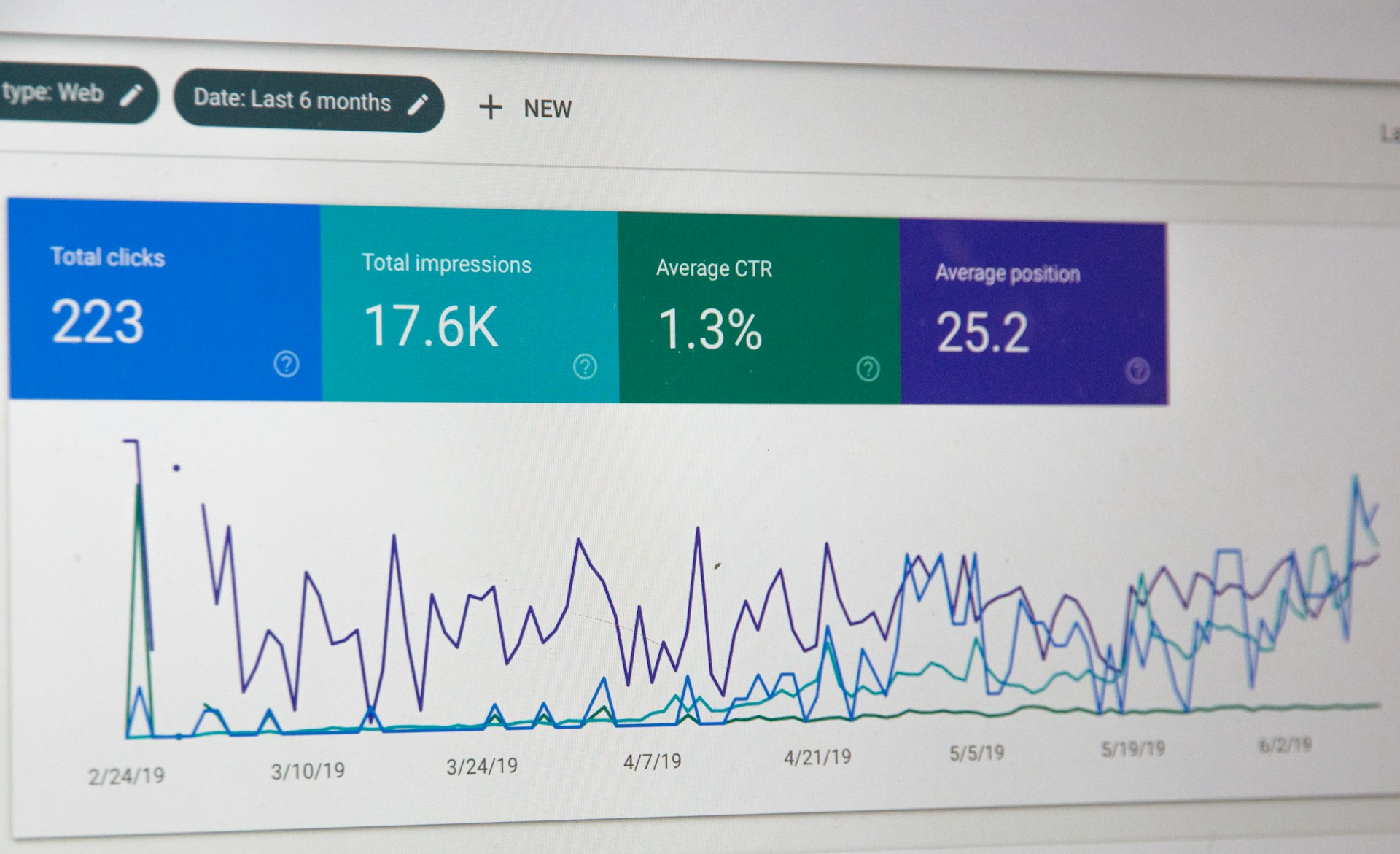
Successful marketers rarely guess what works. Instead, they study data carefully and adjust strategies based on real results. Website analytics, customer behavior reports, and ad performance metrics all provide valuable insights. Businesses that monitor these numbers closely often spot opportunities faster than competitors.
Data also helps companies better understand audience preferences. For example, marketers can identify which headlines attract clicks or which products generate the highest conversions. This information allows businesses to improve their campaigns rather than repeating weak strategies.
Moreover, tracking data helps reduce wasted spending. Brands can stop investing in ineffective campaigns and focus on channels that deliver stronger returns. In today’s market, businesses that ignore analytics often fall behind very quickly.
Building Stronger Customer Relationships Through Personalization
Modern consumers expect personalized experiences online. Generic messaging no longer creates the same impact it once did. People respond better when brands understand their interests, habits, and needs. Personalized emails, product suggestions, and targeted ads often dramatically improve engagement.
Businesses can personalize experiences in many ways. Some brands recommend products based on browsing history, while others create content tailored to specific audiences. These strategies make customers feel valued rather than treated like numbers. Consequently, brands often see stronger loyalty and higher conversion rates.
At the same time, personalization should feel natural instead of invasive. Customers appreciate relevant suggestions, but they dislike overly aggressive tracking. Successful marketers balance personalization with respect for privacy and transparency.
Leveraging Social Platforms for Faster Brand Growth
Social media gives businesses direct access to massive audiences. However, success requires more than posting random updates every few days. Strong brands understand each platform’s unique style and audience behavior. Short videos may perform best on one platform, while educational posts work better elsewhere.
Consistency also plays a major role in audience growth. Brands that post regularly often stay visible in crowded feeds. At the same time, engagement matters more than follower counts alone. Businesses should focus on fostering conversations rather than simply broadcasting promotions.
Interactive content often performs especially well. Polls, live streams, and question-based posts naturally encourage participation and increase reach. As audiences engage more frequently, brands build stronger online communities that support long-term growth.
Turning Paid Advertising Into a Competitive Weapon
Paid advertising can accelerate business growth when used strategically. Many companies waste money by targeting audiences too broadly or using weak messaging. Successful marketers create focused campaigns designed around specific customer needs and behaviors.
Testing different ad versions also significantly improves performance. Small changes in headlines, visuals, or calls to action can produce very different results. Therefore, businesses should test campaigns continuously rather than assuming a single approach will always work best.
Retargeting remains another powerful tactic. Many customers do not buy during their first visit, so reminder ads help bring them back later. Companies that combine strong targeting with persuasive messaging often generate impressive returns from paid campaigns.
Staying Ahead While Others Struggle to Adapt
Digital marketing is constantly evolving, and businesses that resist change often lose momentum quickly. Successful companies stay curious, test new ideas, and adapt before trends become mainstream. They understand that growth depends on continuous learning and improvement. In many industries, an audience engagement strategy now separates thriving brands from struggling competitors, as customers expect meaningful interaction rather than one-sided advertising.
At the same time, businesses should avoid unthinkingly chasing every trend. Not every new platform or tactic will fit every brand. Smart marketers evaluate opportunities carefully and focus on methods that support long-term goals. Companies that combine creativity, data, and consistency often build stronger digital success while competitors struggle to keep up.