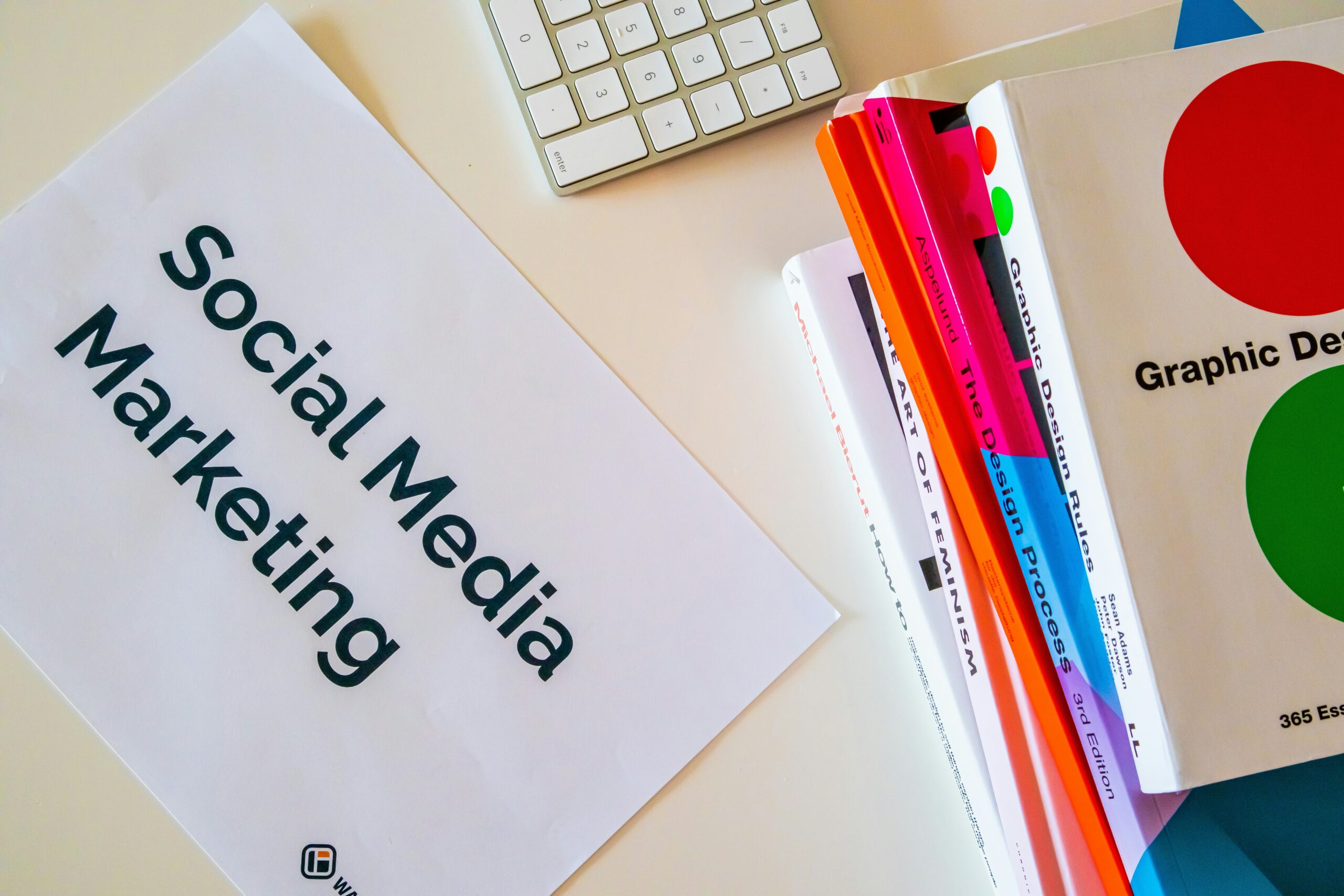
Social media has evolved from a casual networking space into one of the most powerful digital marketing tools available today. Businesses of all sizes now rely on social platforms to build brand awareness, engage audiences, and generate measurable results. When used strategically, social media can amplify your marketing efforts and connect your brand directly with the people who matter most.
Below is a practical, results-oriented guide on how to leverage social media platforms for effective digital marketing.
Understanding the Role of Social Media in Digital Marketing
Social media plays a central role in digital marketing by acting as a bridge between brands and consumers. Platforms like Facebook, Instagram, LinkedIn, X, and TikTok allow businesses to communicate instantly, share value-driven content, and build relationships over time. Unlike traditional marketing, social media encourages two-way interaction, making it easier to understand customer preferences and behaviors.
Additionally, social media supports nearly every stage of the marketing funnel. From awareness and consideration to conversion and loyalty, each platform offers unique tools that help guide users toward action. As a result, marketers who understand this role can align their social strategies with broader business goals more effectively.
Choosing the Right Platforms for Your Brand
Not all social media platforms serve the same purpose, so selecting the right ones is critical. Each platform attracts a different audience, content style, and level of engagement. For example, LinkedIn works best for B2B brands and professional content, while Instagram and TikTok are ideal for visual storytelling and lifestyle-focused marketing.
At the same time, focusing on fewer platforms often delivers better results than spreading efforts too thin. By identifying where your target audience spends most of their time, you can allocate resources more efficiently. This approach ensures consistent messaging and stronger engagement, which ultimately improves campaign performance.
Creating High-Quality and Consistent Content
Content is the foundation of successful social media marketing. High-quality posts that educate, entertain, or inspire tend to perform better across all platforms. This includes a mix of visuals, videos, captions, and interactive elements designed to capture attention quickly.
Consistency is just as important as quality. Posting regularly helps keep your brand visible and builds trust with your audience over time. Moreover, a consistent tone, visual identity, and posting schedule make your brand more recognizable, which strengthens long-term engagement and brand recall.
Leveraging Platform-Specific Features
Each social media platform offers built-in features that can enhance your marketing efforts. Stories, reels, live videos, polls, and carousel posts allow brands to present content in dynamic and interactive ways. Using these tools strategically can significantly boost reach and engagement.
Furthermore, platform-specific features often receive priority in algorithms. For instance, short-form videos are heavily promoted on platforms like Instagram and TikTok. By adapting your content to these features, you increase visibility while also aligning with how users prefer to consume content.
Engaging Actively With Your Audience
Social media marketing is not just about posting content; it is also about conversation. Responding to comments, messages, and mentions shows that your brand values its audience. This interaction helps humanize your business and builds stronger emotional connections.
In addition, active engagement can improve algorithm performance. Platforms tend to favor accounts that generate meaningful interactions. By encouraging discussions, asking questions, and acknowledging feedback, you create a community around your brand while also increasing organic reach.
Using Paid Social Media Advertising Strategically
Organic reach alone is often not enough to achieve rapid growth, which is why paid social media advertising plays a crucial role. Social platforms offer advanced targeting options based on demographics, interests, behaviors, and even past interactions. This allows brands to reach highly specific audiences with tailored messages.
When used wisely, paid campaigns can complement organic efforts and accelerate results. Testing different ad formats, visuals, and messaging helps identify what resonates best. Over time, this data-driven approach improves return on investment and supports scalable growth.
Tracking Performance and Optimizing Strategies
Measuring performance is essential for long-term success in social media marketing. Metrics such as engagement rate, reach, clicks, conversions, and follower growth provide valuable insights into what is working and what needs improvement. Most platforms offer built-in analytics tools that make tracking easier.
Based on these insights, marketers can refine their strategies and adjust content, timing, or targeting as needed. Continuous optimization ensures that your social media efforts remain aligned with business goals while adapting to changing audience behavior and platform trends.
Integrating Social Media With Overall Digital Marketing
Social media works best when integrated with other digital marketing channels. Aligning social campaigns with email marketing, content marketing, and SEO creates a cohesive brand experience. For example, promoting blog content or landing pages through social media can increase traffic and conversions.
Moreover, consistent messaging across channels reinforces brand credibility. When social media supports broader marketing initiatives, it becomes a powerful amplifier rather than a standalone tactic. This integrated approach leads to more sustainable and measurable digital marketing success.
Building Long-Term Relationships Through Social Media
Effective social media marketing is not about short-term gains alone. Building long-term relationships with your audience requires authenticity, transparency, and ongoing value. Brands that focus on trust tend to see higher customer loyalty and advocacy over time.
By consistently delivering relevant content and engaging sincerely, social media becomes a relationship-building tool rather than just a promotional channel. In the long run, these relationships translate into stronger brand equity, repeat business, and sustained digital growth.